
Give the Retreat One Clear Purpose
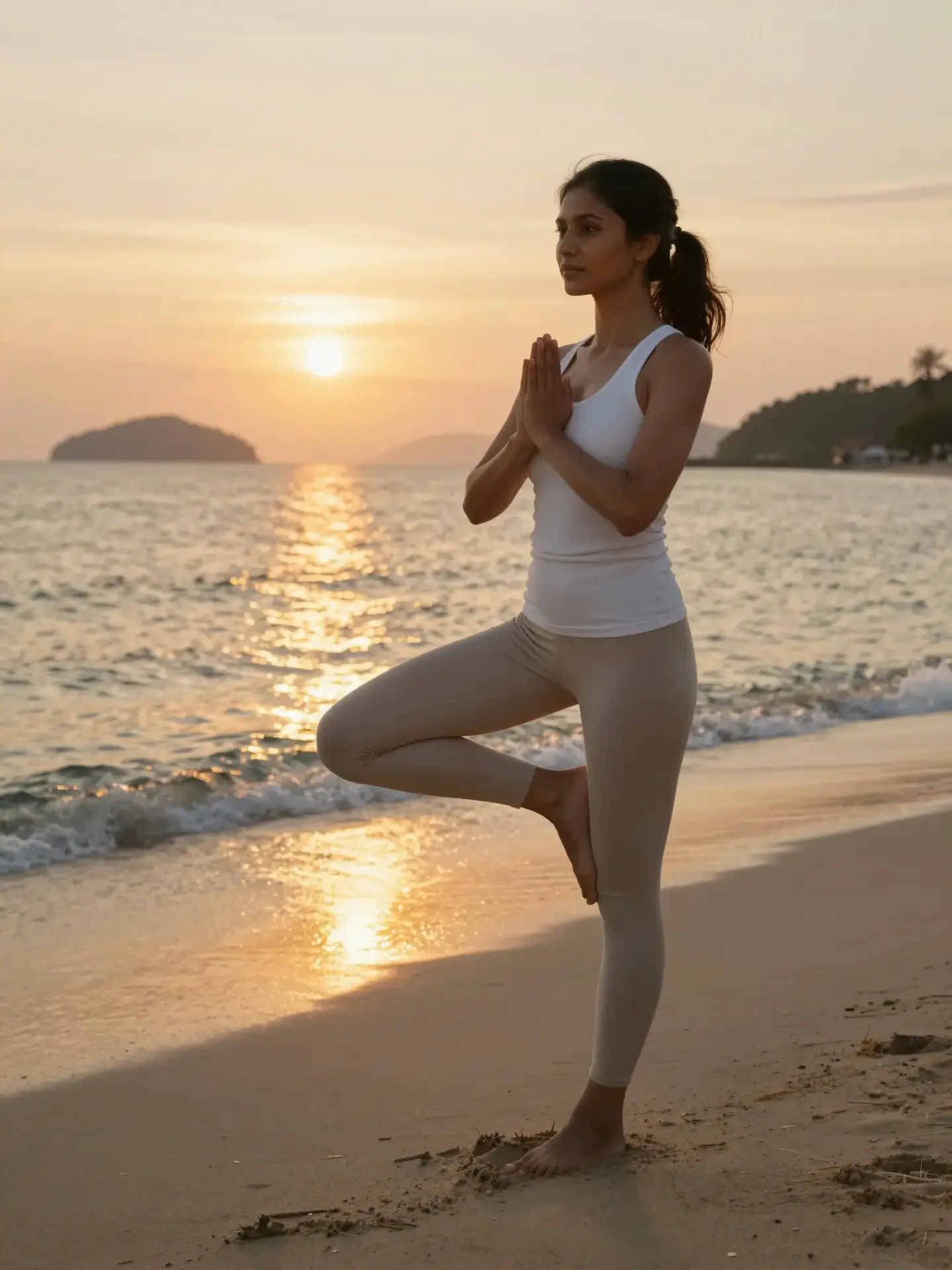
A private wellness retreat in Phuket can mean a yoga weekend, a gentle reset for friends, a fitness programme, a leadership break or several quiet days built around sleep and good food. Trying to promise all of those experiences at once usually produces a crowded timetable and a confused proposal. Begin with one outcome that the host, practitioners and guests can understand in the same way.
Write a short retreat brief before approaching venues. State who the retreat is for, the number of nights, expected group size, experience level and the change guests should notice by the final day. Separate the core programme from optional activities. Morning movement, two workshops and unhurried communal meals may be enough; a session in every available hour is not evidence of value.
Be equally clear about what the retreat is not. A restorative gathering should not quietly turn into a demanding fitness camp, and a social holiday with yoga should not be sold as clinical care. Current Phuket search results span personalised programmes, yoga, mindfulness, massage, nutrition, Muay Thai and recovery. A precise promise helps the right guests recognise the right retreat.
Design the Programme Around Energy, Not Empty Time
A strong schedule has a pulse rather than a checklist. Place the main physical session when guests are most likely to feel rested, allow enough time to shower and eat, then alternate instruction with recovery. Arrival day should help people settle after travel. Departure morning should not require an ambitious practice, a closing circle and hurried packing before the same vehicle leaves for the airport.
Offer a visible distinction between required, recommended and optional sessions. Guests may arrive with different fitness, mobility, confidence and reasons for attending. Give facilitators accurate information and plan appropriate alternatives without asking people to disclose personal details in front of the group. Quiet participation, rest or a shorter version can be part of the programme rather than an apology for missing it.
Protect unstructured time. The private-villa format is valuable because one guest can read, another can swim and a smaller group can continue a conversation without leaving the property. If every gap becomes an excursion, treatment or photo opportunity, the retreat loses the very privacy and ease that made the venue appealing.
Test the Venue as a Working Retreat Space
A beautiful lawn or terrace is only the beginning. Ask how many people can practise comfortably without blocking routes, what the surface is like, where mats and equipment will be stored, and whether the space has shade, lighting and nearby bathrooms. Check how sound travels to bedrooms and neighbours. A sunrise session should feel peaceful to participants without becoming an involuntary alarm for everyone else.
Every outdoor session needs a credible wet-weather version. Identify the covered or indoor space, its ventilation, usable floor area and any furniture that must be moved. Confirm who makes that change and when. If the alternative can accommodate only half the group, the programme needs a second format rather than optimistic wording in the itinerary.
Map the rest of the property as carefully as the practice area. Guests need places to eat together, speak privately and withdraw between sessions. Practitioners may need a treatment room, preparation area or secure equipment storage, but none of those should be assumed from photographs. Ask the venue to approve the intended use of each space in writing.
Choose Practitioners With the Same Care as the Property
A retreat leader sets the tone, yet several specialists may shape the week. Request the name, role and relevant training or experience of each practitioner before confirming the programme. Discuss class size, language, equipment, arrival time and whether an assistant is needed. A polished biography cannot replace a practical conversation about the actual guests and venue.
Keep wellbeing services within the provider's appropriate scope. Avoid guaranteed results, medical claims or programmes that pressure guests to ignore pain, fatigue or existing advice from qualified healthcare professionals. Collect essential accessibility, dietary and health information discreetly, explain who will receive it, and share only what is necessary to deliver the agreed service safely.
Agree consent and boundaries for hands-on adjustments, treatments, photography and testimonials. Guests should know before arrival whether sessions may be filmed or photographed and be able to opt out without becoming conspicuous. If the retreat includes massage or other individual appointments, schedule them with enough transition time and privacy to feel restorative rather than processed.
Plan Food, Sleep and Logistics as Part of the Programme
Meals carry more of the retreat than organisers sometimes expect. Ask about allergies, dietary requirements and strong preferences during registration, then brief the catering team in writing. Decide whether the goal is light, nourishing food, familiar shared dishes or a more structured menu, and describe it honestly. Wellness language should never make a guest feel judged for being hungry or choosing differently.
Build the daily rhythm around hydration, meal timing and sleep. A vigorous session immediately after a large meal will suit few groups; a late formal dinner can undermine an early practice the next morning. Make drinking water easy to find, allow time for tea or coffee preferences, and keep at least some evenings free from speeches, workshops and compulsory socialising.
Transport and supplier access also affect the mood. Create one arrival plan, one contact point and a written schedule for practitioners, drivers, catering and equipment deliveries. Confirm parking, load-in routes, staff access and quiet hours with the venue. When the operational plan is calm, guests experience the retreat as spacious rather than seeing the machinery behind it.
Request a Proposal That Matches the Real Guest List
Ask each shortlisted property for one written proposal based on the same brief. It should identify bedrooms, bathrooms, approved session spaces, exclusive-use areas, included services, meals, equipment, suppliers, transfers, payment terms and the weather alternative. It should also distinguish confirmed arrangements from ideas that still depend on availability. That makes comparison possible and prevents attractive assumptions from becoming last-minute costs.
At Kiri Anda, the accommodation plan begins with six double bedrooms and eight bathrooms, providing existing beds for 12 adults. Up to two children under 12 may share existing bedding with their parents in each bedroom, and up to three optional single extra beds are available at THB 2,000 per bed. The estate occupies an elevated seafront setting approximately six metres above the shore with uninterrupted sea views; it is not directly on a sandy beach, so beach practice or swimming must be organised as a separate outing.
A successful retreat does not need to transform every guest on schedule. It needs a truthful promise, capable practitioners, a venue that works in ordinary weather and enough room for people to choose rest. Send Kiri Anda the dates, full guest mix, retreat purpose, proposed practitioners and outline programme when enquiring, so the team can confirm accommodation, spaces and operating requirements in one decision-ready proposal.